One seemingly mundane September morning in Fauquier High School (FHS) began with intimidating news from the Virginia Department of Education (VDOE): cuts to the Mathematics and Reading SOL scores over the next several years. According to VDOE, the new cut scores will align with the National Assessment for Educational Progress (NAEP) proficient standards. Many of the FHS teachers were alarmed.
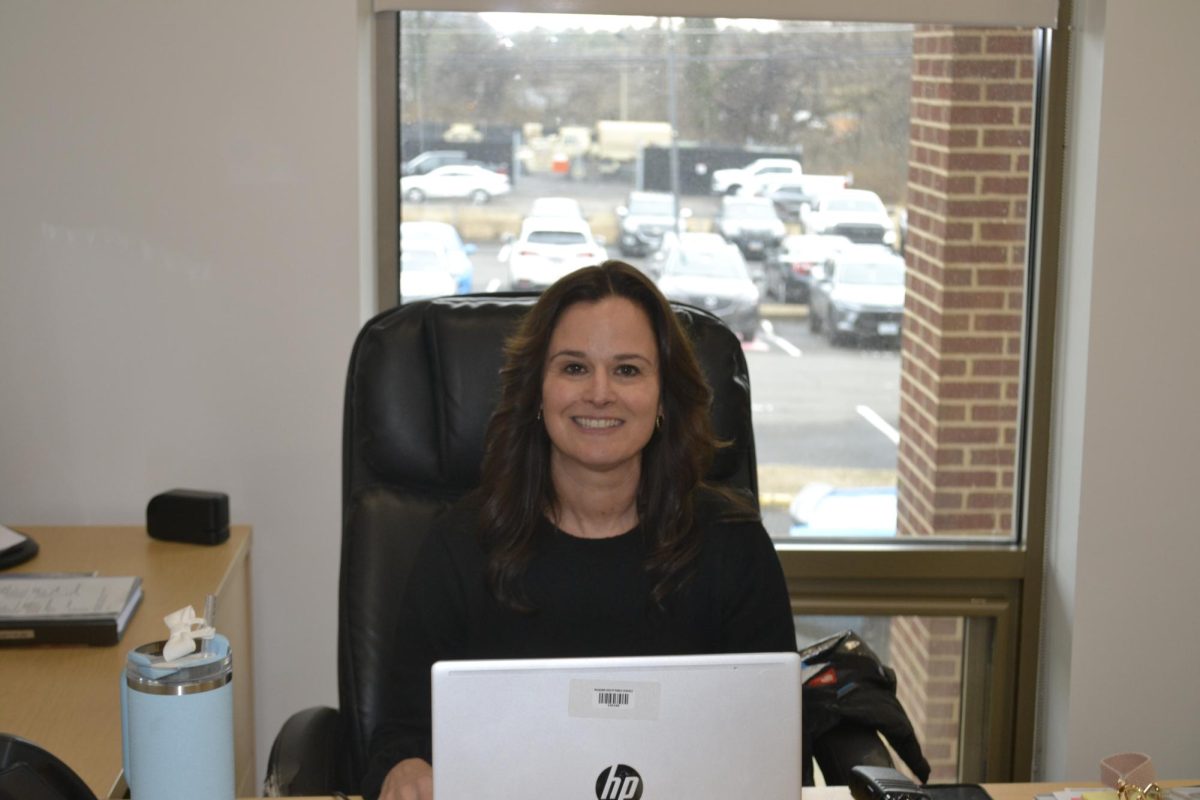
“I was terrified for our student population,” said math teacher and department head Jennifer Feehan.
While matching the SOL scores to NAEP makes sense to some, Feehan, who serves on the SOL scores committee, sees it differently. “[NAEP] was given during COVID… of course, our scores are going to be lower… when you’re given a test, and it doesn’t really count, most kids aren’t going to take it seriously.”
VDOE has announced a phased four-year plan to raise the SOL cut scores in all levels of Math and Reading, starting in the 2026-2027 school year. The long-standing passing score of 400 will gradually increase to roughly 440 for Math and 460 for Reading.
Though VDOE argues that the changes will enhance student performance, no clear explanation has been given for why this policy is promoted. During a public listening session from VDOE, educators shared concerns. Feehan recalled, “The general consensus was, this is a horrible idea.”
At one session, VDOE told educators they expect only 60 percent of students to pass once the policy is fully implemented, meaning a potential 60 percent graduation rate. When Feehan questioned this statement in a public comment, she received no response. “My comment got deleted,” she said.
With the policy still fresh, many details remain unclear. Finalized information is expected later this school year, but uncertainty is already affecting educators’ morale.
FHS test coordinator Bryan Grimley, responsible for ensuring every student receives proper testing and accommodations, anticipates a heavier workload. “Logistically, it becomes a lot harder… this group [of kids] needs this score to pass, this group needs this score… it becomes a little bit of a nightmare,” he admitted. He expects more coordination with teachers to ensure proper accommodations.
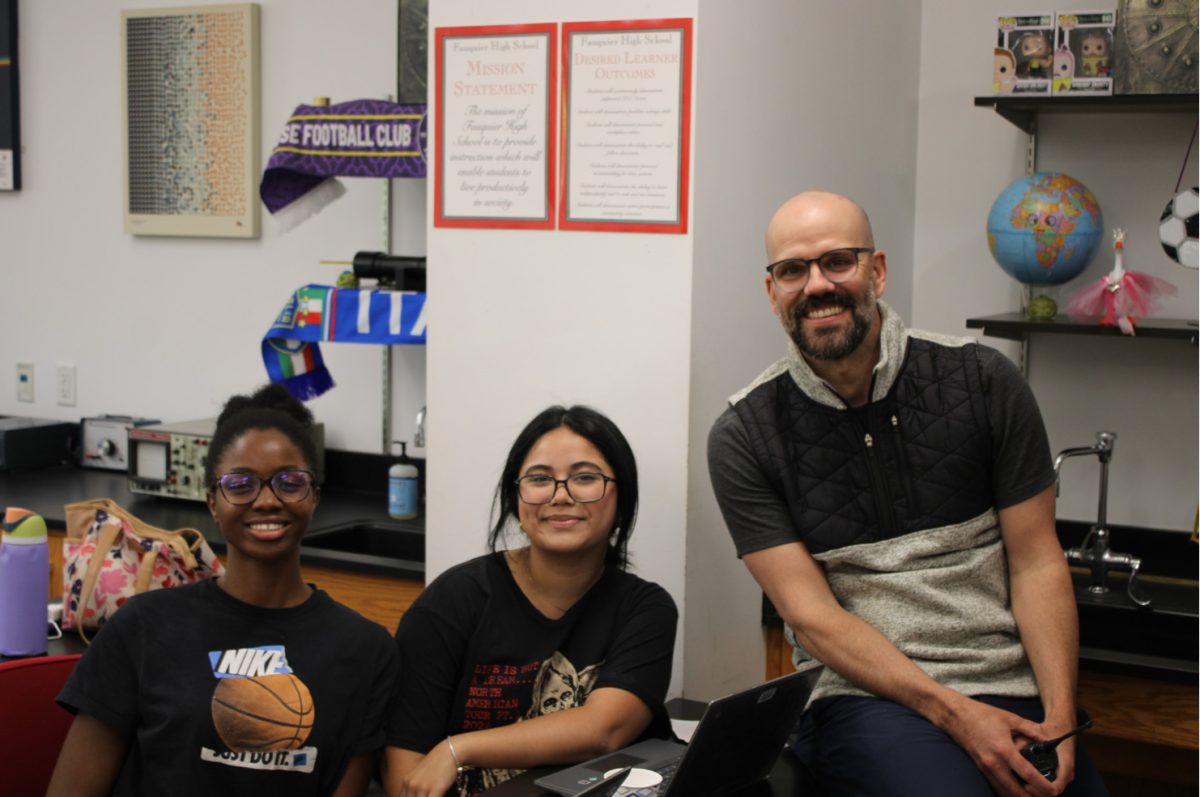
While Grimley prepares for logistical challenges, teachers worry about the impact on their classroom environment. English teacher Cathleen Beachboard initially viewed the new policy as “stupid,” but soon focused on how it would affect her juniors, who must take the Reading SOL.
“The issue is with changing the scores… you’re going to make it harder, especially on our populations that are most susceptible to wanting to quit school… Putting the bar so high… you’re going to make it harder for all of those kids [to pass].”
Because teachers have little time to adjust their methods, many fear increased pressure to “teach to the test.” Beachboard explained, “A lot of teachers are going to have to teach to the test… We’re teaching [kids] how to take a test. That’s not going to serve them in the real world… I want them to think critically… problem solve. The SOL doesn’t do that.”
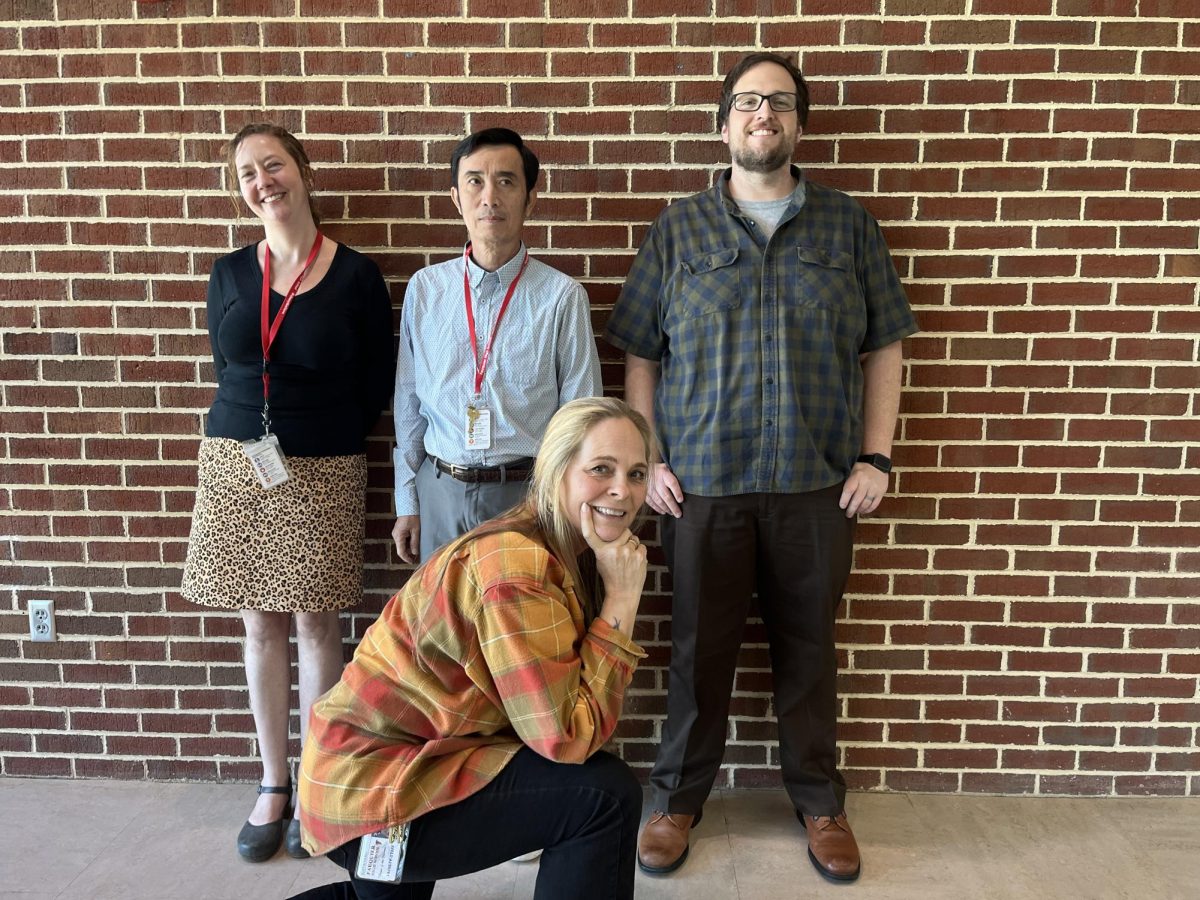
Special Education teacher Carolyn Shaw agrees. “Teachers are already under a lot of pressure… we get so caught up in the scores… we’re gonna miss ample time to teach students other things.” She added that more time spent on test preparation will increase the number of students needing remediation.
Shaw also worries that students will shut down under pressure. “Failing…school is gonna increase… if kids can’t pass, there are gonna be increases in dropouts.” His biggest concern is that ”[students] are not even gonna have [a high school] diploma to have options in the real world.”
Students with disabilities are especially vulnerable to such scenarios. Instructional assistant Jessica Bagby sees the new scores as a significant obstacle for SPED students. “It’s unfair… because they struggle now even to get a 400. Trying to push the students toward a pass advanced when they can’t even get the 400 is wrong… students aren’t testing robots, they’re kids.” She believes SPED students should have different scoring ranks.
Even though many teachers emphasize the need for more resources, training, and support to adapt to the changes, some view the core issue differently. Math teacher Sandra Albertson said, “I don’t care what the score is… You’ve got to change the underlying fundamental skills.” She argues that raising the scores without consequences for students will yield the same results. “You’ve got to put some accountability on the students somehow to make them care.”
Albertson believes the “No Child Left Behind” approach limits achievement. “You’re never going to get those higher scores unless there’s consequences…Make [students] take an extra class in math if they’re failing… let them go to seventh grade, but make them do sixth-grade math.”
Perhaps, with more support and more explicit guidance from VDOE, educators at FHS and across Virginia will have the resources and time needed to prepare themselves and their students for higher SOL cut scores. At the same time, the policy itself leaves many details unsaid.