At Fauquier High School (FHS), students have a unique agricultural experience. Fauquier County’s farmland makes up 216,666 acres, coming in 4th for the most farmland in the state. Virginia has around 38,995 farms, which create about 381,800 jobs. Farmland covers about 7.3 million acres in the state of Virginia. As new developments begin to emerge, it's crucial to share agricultural knowledge with future generations. FHS does this by helping students get the most out of their school experience
Behind FHS lies the agriculture field, or the Trip Bopp Barn, dedicated to Charles William "Trip" Bopp III. The barn is currently home to four mama goats (the dams) and their nine baby goats (kids). Keeping them company are a dairy goat named Reba and a calf named Buford. Next to the barn are five pens, each containing a different breed of chicken. There are around eight laying hens and two roosters per pen. There is also a pen that houses two baby pigs, which sits next to the big pen that has the 300-pound hogs.
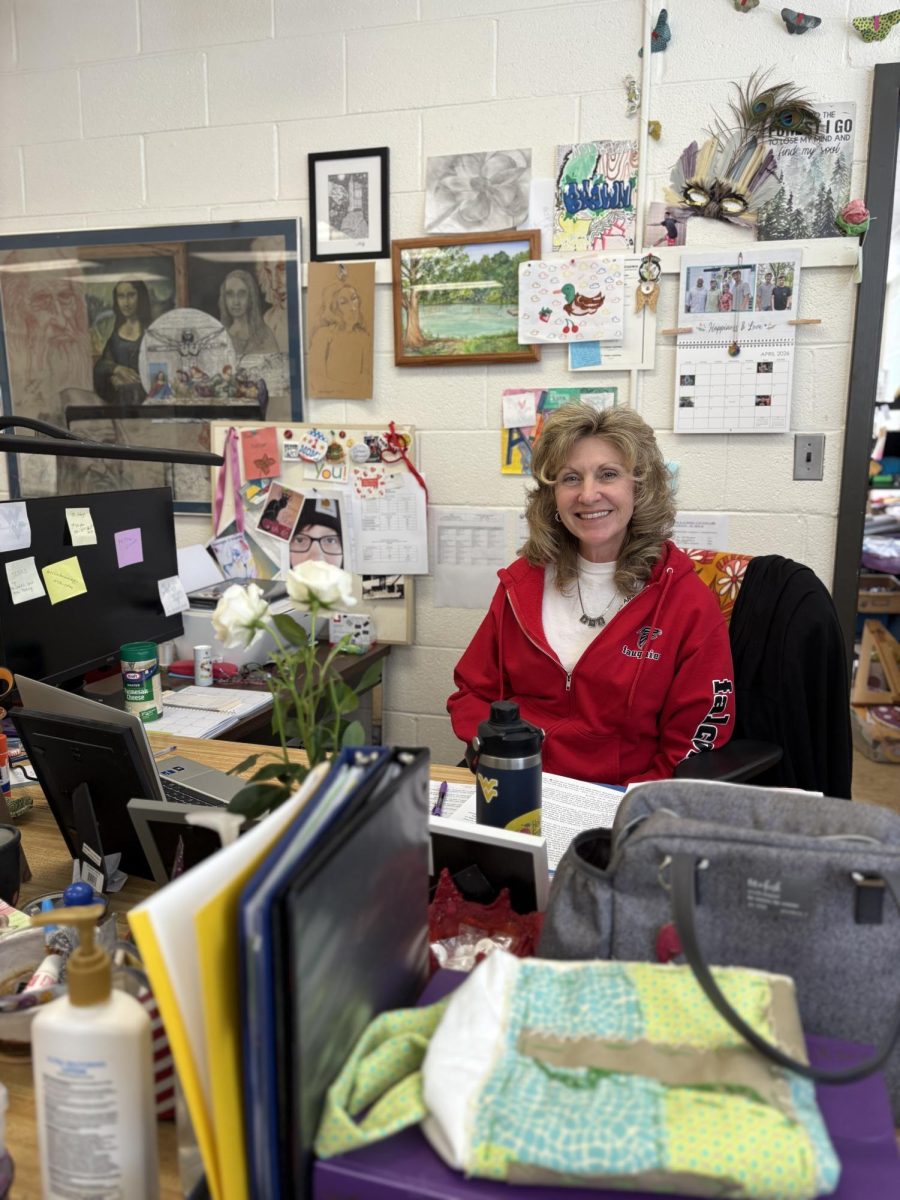
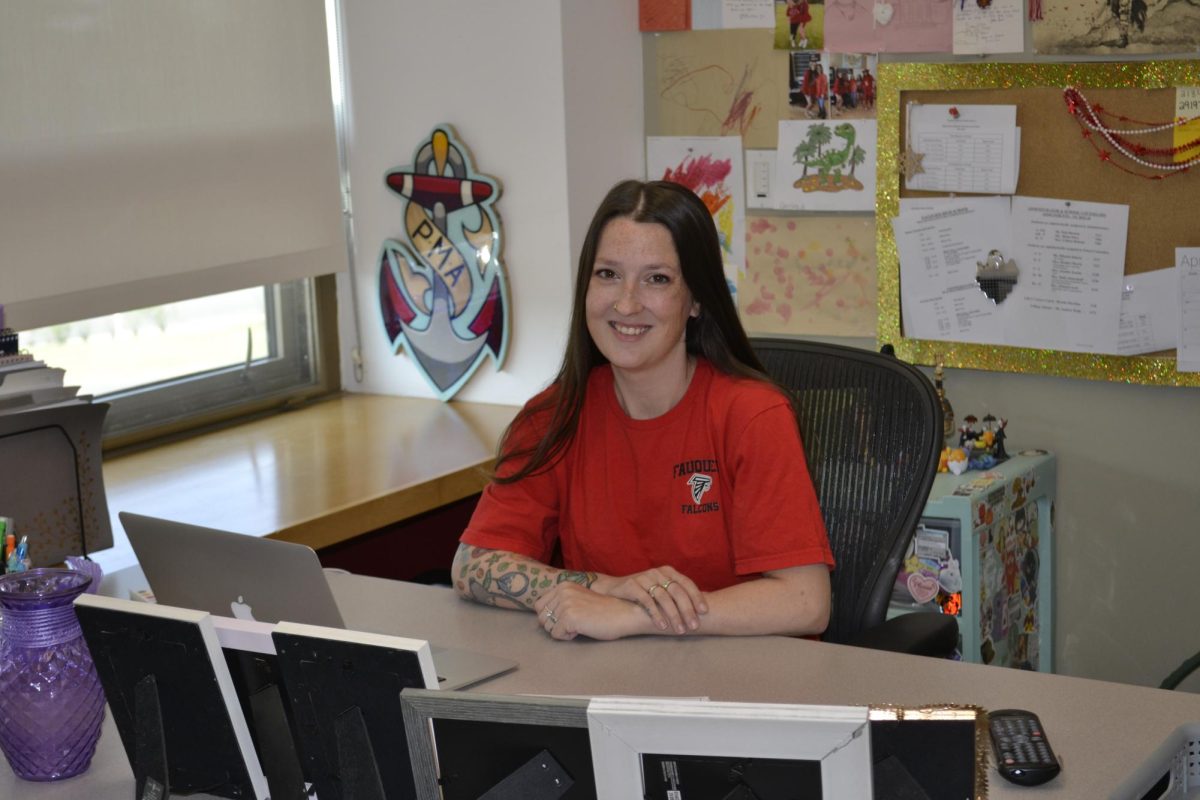
Susan Hillerary teaches all animal systems classes, helping students get interested in veterinary sciences. In the animal systems classes, students learn about animals and their veterinary and nutritional needs.
Junior Emma Flemming enjoys the hands-on approach, saying, “It's important to be hands-on because there are some kids who can't handle sitting in a classroom for an hour and thirty minutes…[in animal systems classes] kids get to listen and interact with animals and be able to learn hands-on.”
Hilleary doesn't just teach the animals classes; she also teaches the ag-mechanics class, which focuses on building skills to repair and operate farm machinery.
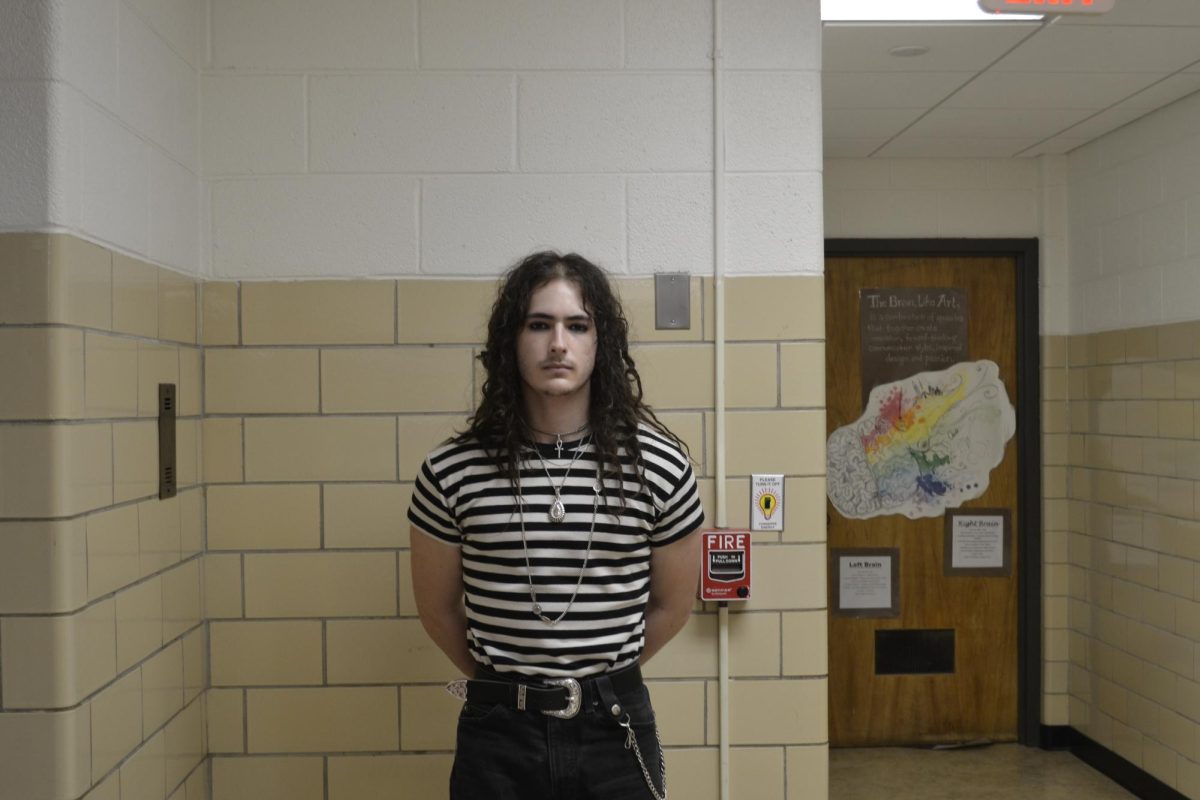
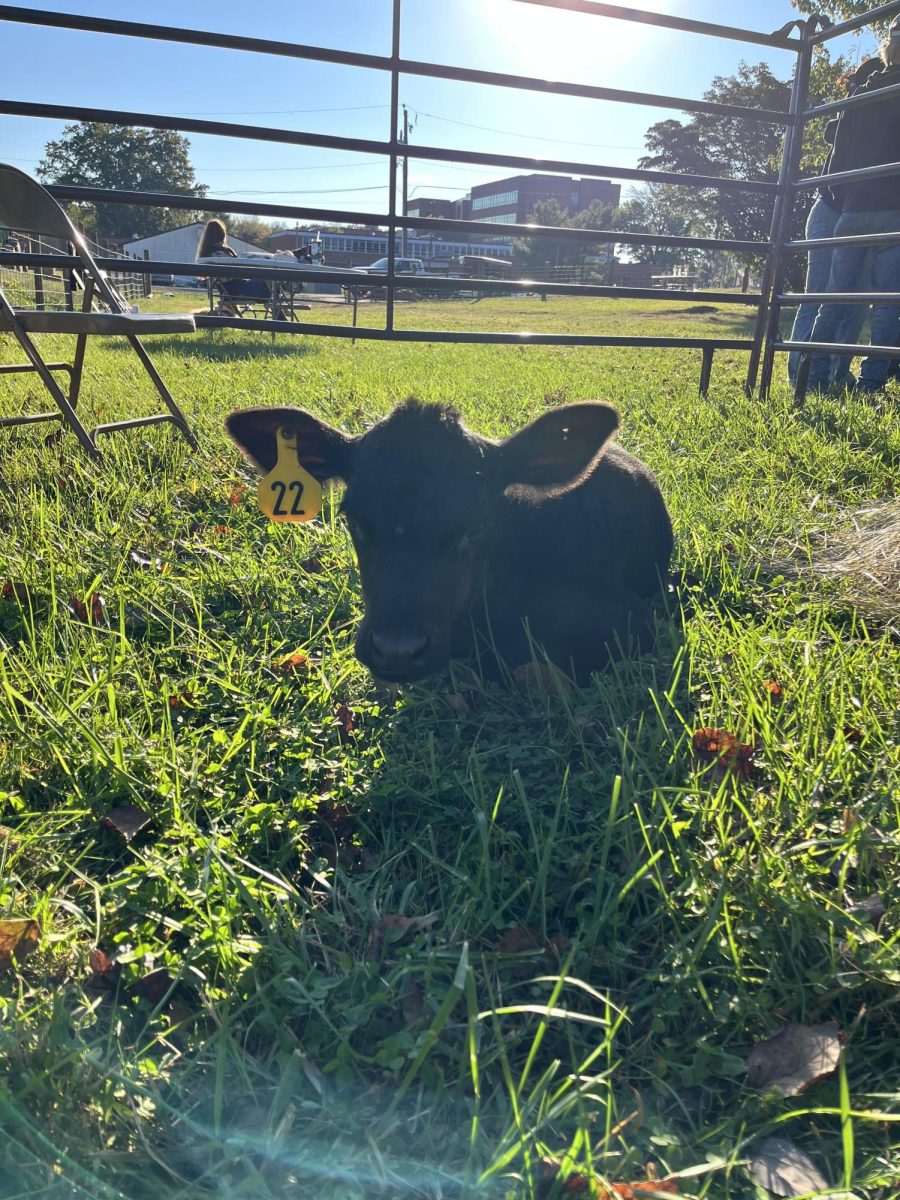
Recently, junior Carter Loar brought in a calf named Buford from his farm. Buford had recently been rejected by his mom and had contracted salmonella, which required him to need constant care.
“He didn't have enough colostrum when he was born [because his mom rejected him], so he couldn't really walk or move around. I brought him here [to FHS] so he could get colostrum and be taken care of,” Loar clarified.
Buford has quickly become the students’ favorite. The students demonstrated their willingness to learn and absorb information quickly as they nursed him back to health.
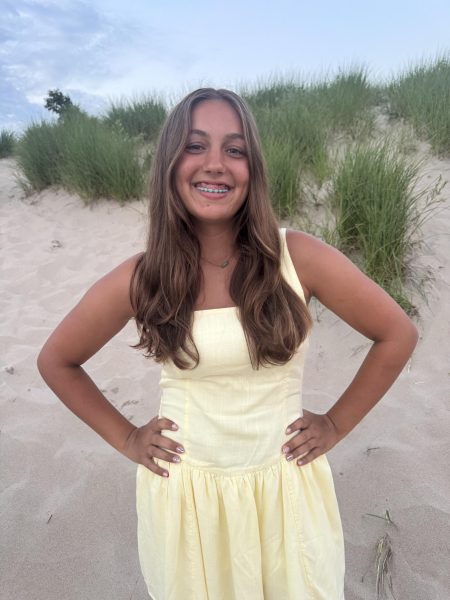
“Students learned what salmonella was and how to treat it…We made sure [Buford] was out of the sun so he didn't overheat, made sure he was drinking water, and made his milk replacer,” explained senior Grace Faulk, who is FHS National FFA Organization (FFA) chapter president.
Students played a significant role in the calf’s growth. “…Mrs Hillerary showed us how to give injections to a calf,” Faulk added. It was a shaky start for the little steer, but now he is doing much better and is currently working on being halter-trained. Another calf was just added to the mix; his name is Toby, as decided by the students.
In the barn, there are many goats to keep things lively. Four of the goats are recent moms giving birth to kids from Oct. 5th to 9th and there is Reba, the dairy goat. These goats allow students to get hands-on experience learning about their nutritional needs during pregnancy and the steps and precautions needed when handling and caring for baby animals. On top of the animals outside, there are still more inside the annex.
The ag rooms inside the annex hold many different sections. From the shop to the tractor garage, and from the hatchery to the office, there are many spaces for students to learn. When students open the door to enter the shop, small peeps of the chicks can be heard coming from the hatchery. Each week, newly hatched chicks rotate through the different pen levels until they are ready to go outside. Students learn about the fragility of newborns and their nutritional needs. These chicks are purebred, and some get sold to other farms in the area to generate money for the FHS farm. Then, inside the classroom, there is a backroom home to many small animals. With three doves, one turtle, two rabbits, one guinea pig, and many types of fish, this room allows students to focus on the small-animal side of veterinary medicine.
All these experiences are so unique and enriching to students and could not be possible without a fantastic teacher. Hilleary’s one-of-a-kind teaching style encourages students to get their hands a bit dirty and fully realize their learning potential with the farm animals. Each of these factors contributes to what makes the agriculture experience so special at FHS.