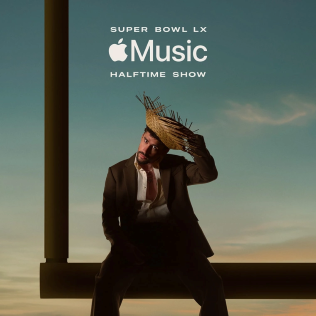
On Feb, 8, 2026, under the bright lights of Levi’s Stadium in Santa Clara, California, Bad Bunny, born Benito Antonio Martin Ocasío, transformed the Super Bowl LX Halftime into a vibrant celebration of rhythm, color and culture, which had millions of fans dancing and celebrating. The performance blended his biggest hits with striking visuals and surprising moments, turning halftime into a rhythmic celebration.
Opening with “Titi Me Pregunto,” Benito immediately set the tone for the night. Dancers flooded the field in a coordinated format, while flashing lights and layered instrumentals created an electrifying space. The timing of each transition kept the audience focused, and his confident presence on stage showed why he is considered one of the biggest artists of his generation.
Musically, the set list showcased fan favorites such as “Yo Perreo Sola” and “Safaera” along with tributes to Latin music icons, including Daddy Yankee, Don Omar, Karol G and Celia Cruz. This lets each song convey a different mood and allows the audience to experience the variety within his style. The production featured vibrant costumes, detailed choreography, and immersive visuals that reflected the rich spirit of Latin music.
One of the most memorable moments of the halftime show was the appearance of surprise guests. Lady Gaga and Ricky Martin joined Benito on stage, adding star power and excitement to the performance. Lady Gaga performed a lively version of her song “Die With a Smile,” infusing it with salsa and embracing happiness despite challenges. Martin came onstage for “Lo Que Le Paso a Hawaii,” a song that reminds listeners of the importance of remembering where they come from and what makes a community unique. Their collaboration brought fresh energy and new musical elements, creating a scene that thrilled stadium viewers and fans from home.
Benito’s halftime show transformed Levi’s Stadium into a vibrant stage inspired by Puerto Rican culture, featuring a recreated “Casita,” street scenes and a sugar cane field. Fans praised the colorful visuals, storytelling, and authentic cultural touches, which made the performance feel personal and memorable. Surprise appearances and live touches added excitement and variety. However viewers in the stadium noted that parts of the stage were hard to see from certain seats, limiting their view of the performance.
Overall, the Super Bowl Halftime show presented a new cultural perspective that resonated with Hispanic communities in the U.S. The show proved to be a once-in-a-lifetime experience of unity and love.