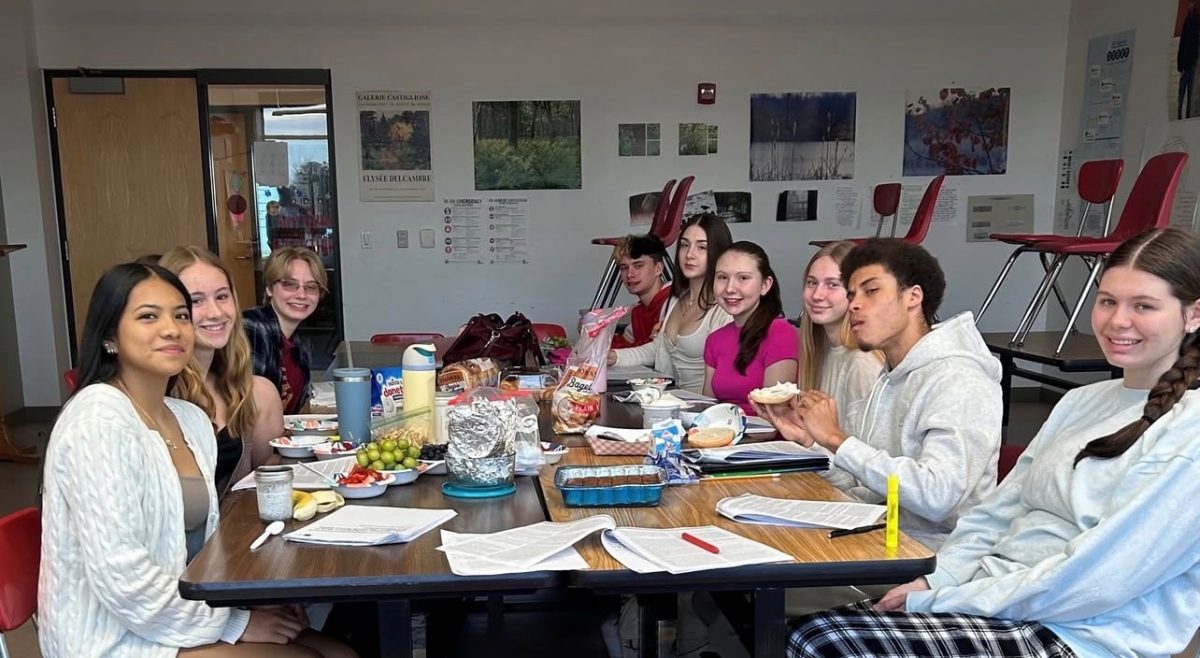
At Fauquier High School (FHS), a new club is opening doors for students to expand their knowledge of politics, diplomacy and public speaking: Model United Nations (Model UN). With a mix of eager freshmen and upperclassmen, the club—sponsored by social studies teacher Matthew Hrozencik—is already drawing interest as it enters its first active year.
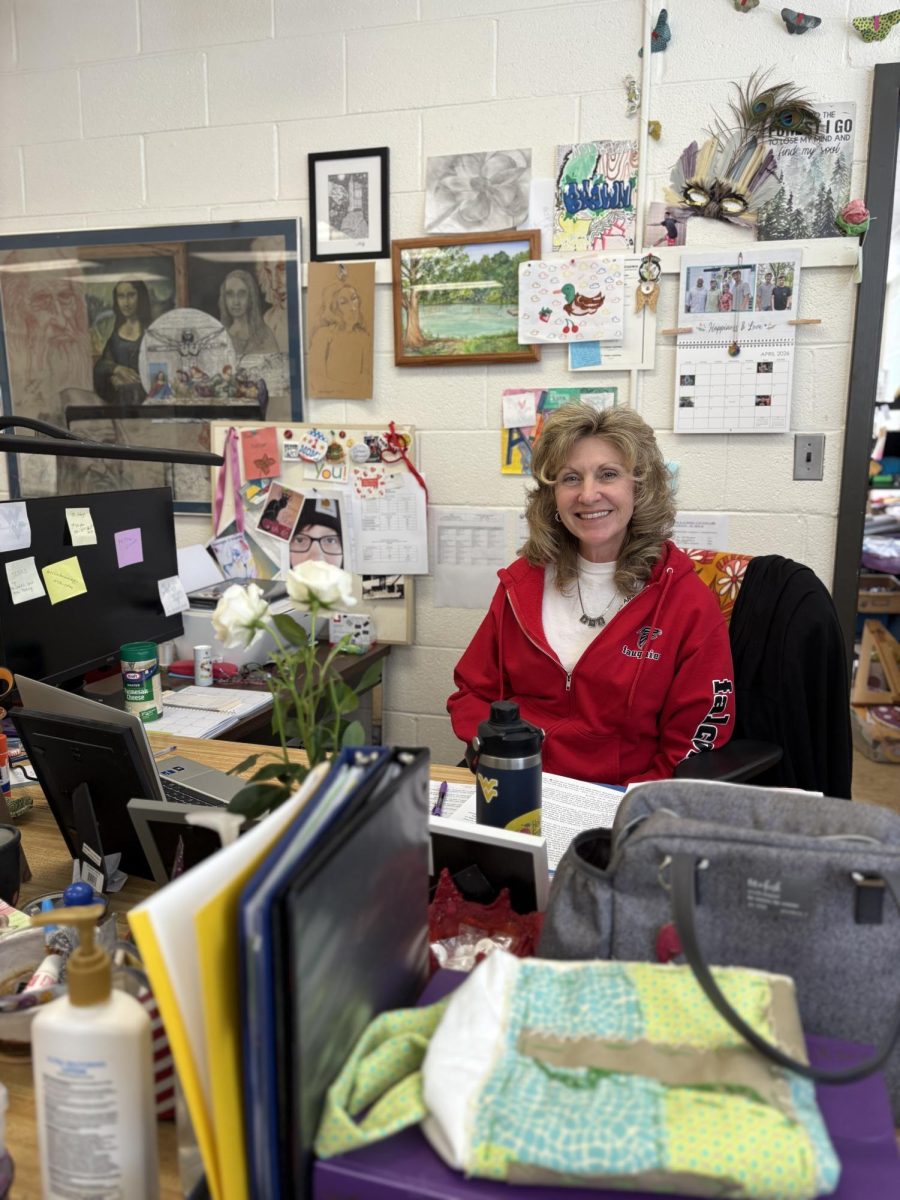
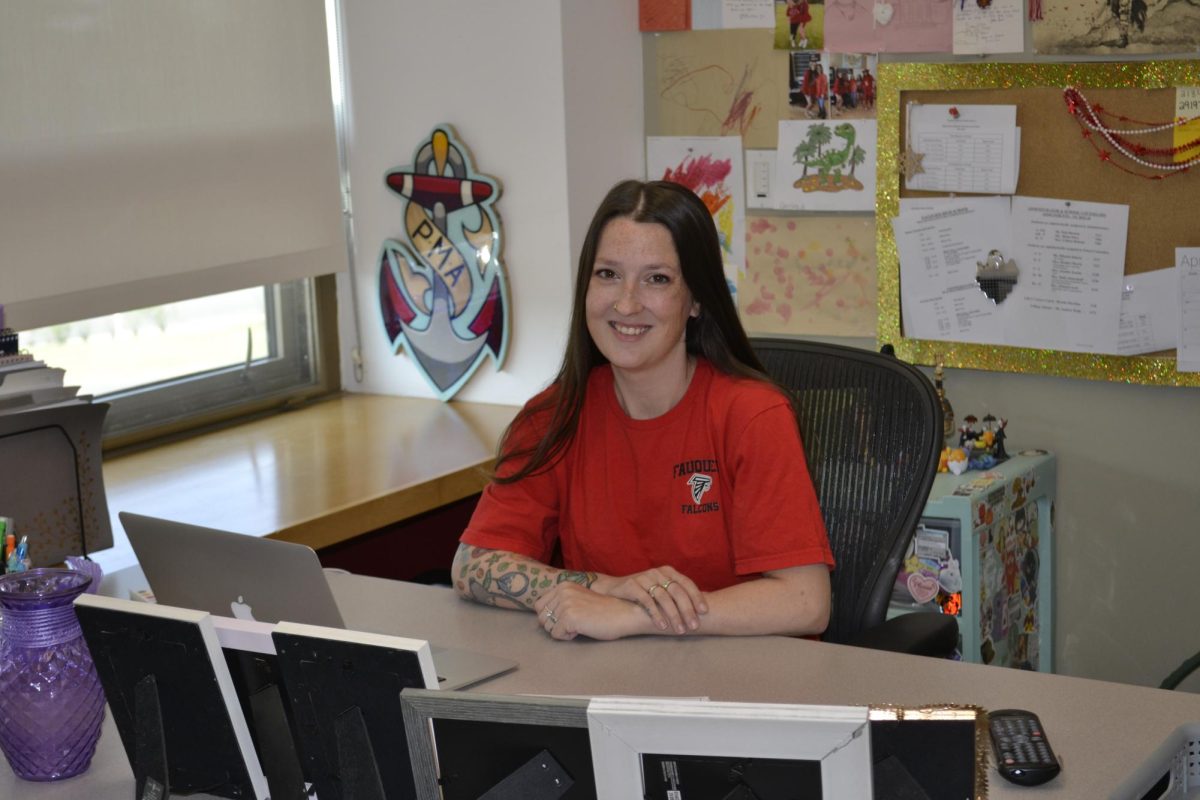
Hrozencik, who teaches social studies, civics and geography in Room 265, explained how the club came together. “So there was a vacancy for the position…last year…but there was no student interest…so this year, about 11 or 12 students…have shown…serious interest.” Although Hrozencik has only had an interest meeting thus far, there is much potential in the books for Model UN.
To clarify, Model UN allows students to assume the role of international delegates and simulate the work of the United Nations. “Model UN is a student organization at both the high school and the college level where you basically get to simulate the United Nations,” Hrozencik explained. “Student groups are giving an issue and a country represent and they have to step into the role of that country and…go into…a UN simulation where they have to…address the issue…take a position [and] draft a resolution to which they have to write…research [and] debate…[to] come to a consensus on resolving the issue through the mechanisms that the UN has.”
According to Hrozencik, freshmen currently comprise the largest group of participants, although sophomores and juniors have also joined the program. Beyond learning global politics, he believes Model UN offers valuable real-world skills. “For [students] that want to go into leadership, social science [and] humanitarian work, [Model UN] is great for public speaking, developing leadership abilities, writing and research.” Hrozencik explains that because of these perks, Model UN “can hold weight on your college applications in the future.”
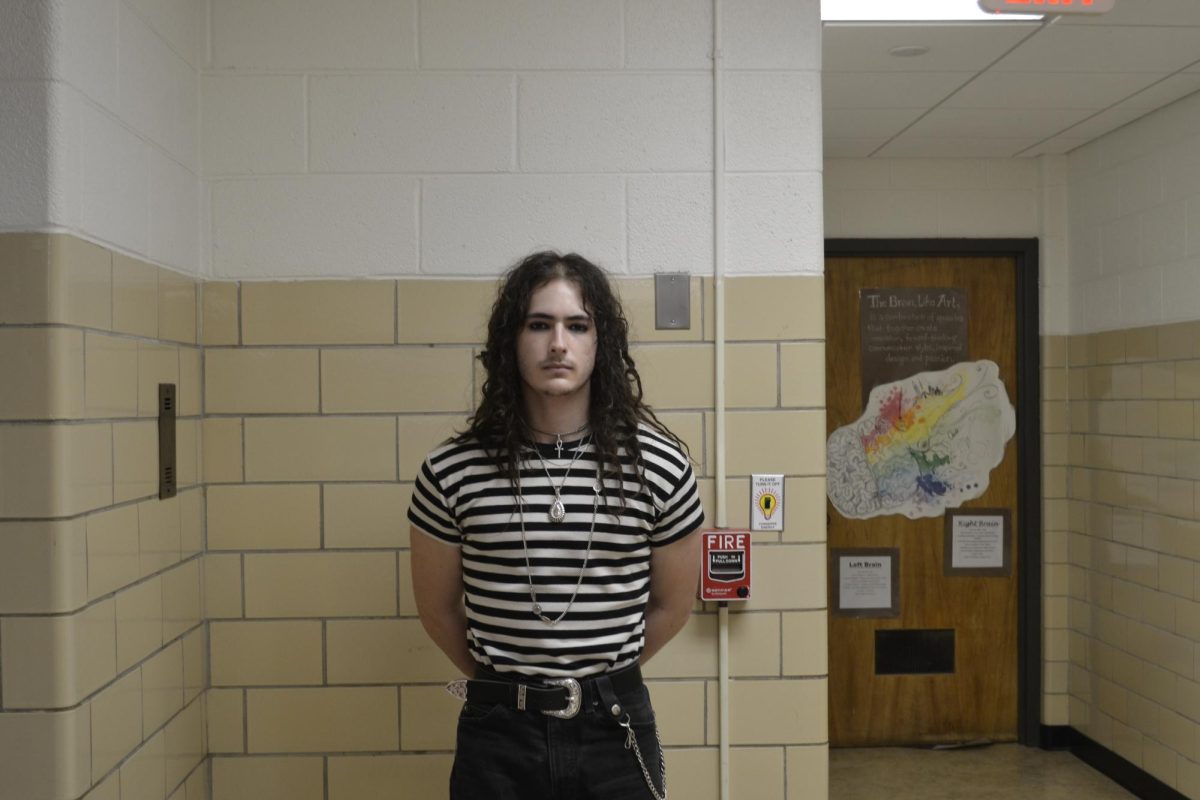
One of the students taking part is junior Jamien Kelly, also a member of FHS’s Speech and Debate team (NSDA). For Kelly, Model UN is a way to broaden his horizons. “I’ve always been interested in politics and debating,” he stated.
Kelly sees the club aligning closely with his career aspirations. “I do want to pursue law when I get older…specifically…a litigation lawyer,” Kelly mentioned. “And [NSDA] and Model UN will both hone…those communication skills.”
For freshman Henry Wright, the decision to join came from personal interest. While Wright doesn’t see himself pursuing a career in politics, he pointed out that the skills gained from Model UN hold value: “I don’t necessarily want a career in government, but…it looks good on college applications.”
Students like freshman David Pearson also see the practical side of the club. Pearson heard of the club and “thought it would be interesting.” Looking to the future, Pearson shared, “I’m planning to…go into the military, so…I’ll…need to speak in front of people.” Pearson believes that Model UN will help sharpen his public speaking skills.
Though still in its early stages, Hrozencik is encouraged by the enthusiasm already present. “[Although] I’m still in the process of setting up…I think the most rewarding part so far has been the student [interest]…how quickly… a good group of kids…have shown dedication…[for Model UN]…within the past week and a half.”
As the club develops, Fauquier students are already beginning to see Model UN’s potential as a platform for growth. Whether through public speaking, debate, or gaining a deeper understanding of global issues, the club is laying the groundwork for future opportunities.